Why You Can’t Register a Company Across Borders on Your Own
Registering a company in another country is not as simple as it sounds. Different national laws, authorities, documentation requirements, and compliance rules mean cross-border company registration cannot be done independently without local representation or expert support.

Why the Old Cross-Border Company Setup Process Is Slow, Costly, and Broken
Entering a new market through the old cross-border setup process is slow and inefficient. It begins with a lengthy investigation phase where founders must navigate unfamiliar legal systems, authorities, and requirements. Digital platforms are country-specific and tied to national personal identity numbers, making it impossible for foreign founders to log in or act independently. Before registration can even begin, individuals must be formally verified by local authorities or authorised professionals. On top of this, personal identification, company documents, and ownership information must be collected, translated, notarised, and stamped. The process is often more expensive and time-consuming than expected—especially for those who assume a short trip is enough. In reality, time is lost, costs escalate, and market entry is delayed.
Why Cross-Border Company Setup Becomes Expensive Due to Manual Legal Processes

Expanding into a new market through traditional cross-border company setup is not only slow but also costly. The process relies heavily on lawyers, chambers of commerce, notaries, and authorised intermediaries to manually handle steps that are not digitally connected across countries. Each jurisdiction requires separate legal interpretation, document preparation, verification, and filing—often repeated multiple times. Foreign founders must pay for local legal expertise to navigate national rules, identity verification, and compliance requirements. Documents must be collected, translated, notarised, and physically or digitally submitted through disconnected systems. What should be a standardised administrative process becomes a chain of billable hours, fixed fees, and unexpected costs. The result is higher barriers to entry, delayed market access, and significant financial waste—long before a company can start operating or generating revenue.
Europe’s Fragmented Internal Market: The Hidden Barrier to Growth and Innovation
Europe has world-class innovation, but a fragmented internal market prevents companies from scaling, competing, and winning globally.

Europe’s internal market remains fragmented by national rules, regulations, and standards. Instead of one scalable home market, companies face 27 different markets. This fragmentation increases costs, slows expansion, limits access to capital, and prevents European firms from scaling fast enough to compete globally—especially in digital and critical technologies.
What is the core problem?
The EU is meant to function as a single market, but in practice it operates as many separate ones. Laws, tax systems, licensing rules, data regulations, and public procurement differ by country, creating friction at every growth step.
Key problems caused by fragmentation
Global competitiveness gap: European companies struggle to grow into global champions, even when they lead in R&D.
No scale advantage: Startups must adapt products and operations country by country, unlike US or Chinese firms that scale in one large market first.
Higher costs and slower growth: Legal, compliance, and operational complexity consume time and capital.
Weak investment environment: Investors prefer markets where companies can scale quickly; fragmentation reduces returns and risk appetite.
Delayed innovation adoption: New technologies roll out unevenly across countries, slowing uptake and commercialisation.
Get in Touch to Get Started
Start with an initial contact via phone, contact form, email, or a Microsoft Teams meeting. We’ll help clarify your needs, answer questions, and guide you through the next steps.

How It Works
The solution reduces manual work, improves data quality, and ensures a smooth experience for both customers and internal teams—from first registration to active customer status.

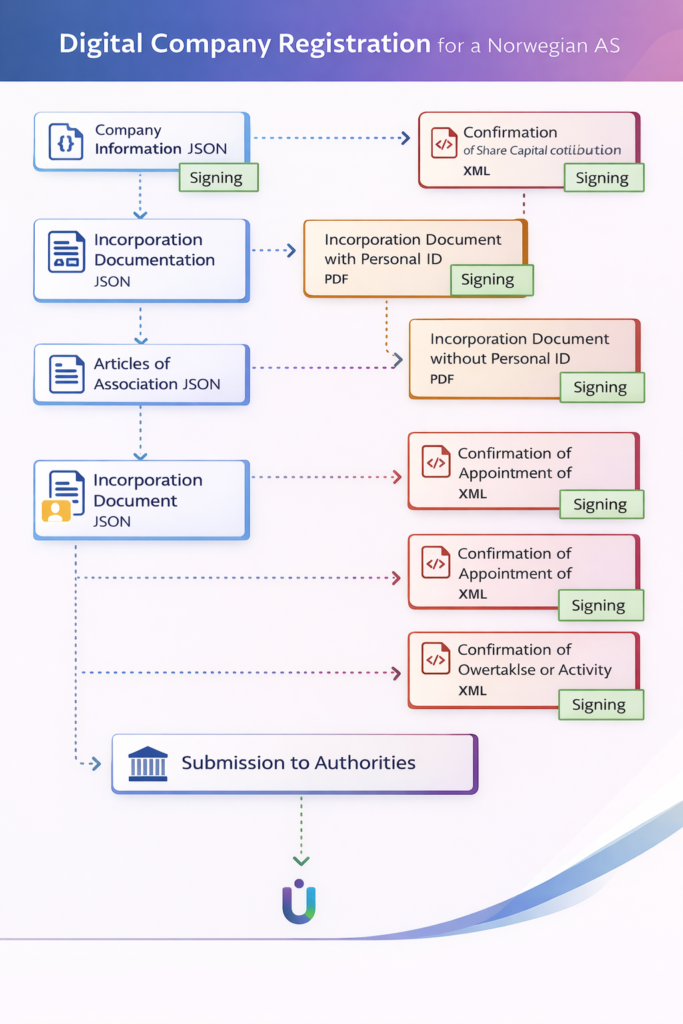
Digital Company Registration for a Norwegian AS – Fast & Secure Setup

Step 1: Collect Company Information
Basic company data is created and structured as company information
This includes details such as company name, address, shareholders, and roles.
This data is prepared for digital submission and signed electronically.
Step 2: Prepare Incorporation Documentation
The system generates the incorporation documentation (JSON), which is then used to create formal documents:
- Articles of Association
- Incorporation document with personal identification numbers
- Incorporation document without personal identification numbers
These documents ensure both legal compliance and privacy where required.
Step 3: Sign Legal Documents
Key documents must be electronically signed by relevant parties:
- Incorporation document
- Confirmation of share capital contribution
- Any required confirmations related to ownership or activity takeover
All signatures are handled digitally in the same flow.
Step 4: Optional Consents and Declarations
The system generates additional documents such as:
- Consent to use an identical company name
- Confirmation of appointment of accountant
- Confirmation of appointment of auditor
Each document is signed digitally when required.
Step 5: Validation and Submission
Once all required documents are created and signed:
Information is ready for submission to the relevant authorities
Data and documents are validated
The full registration package is prepared
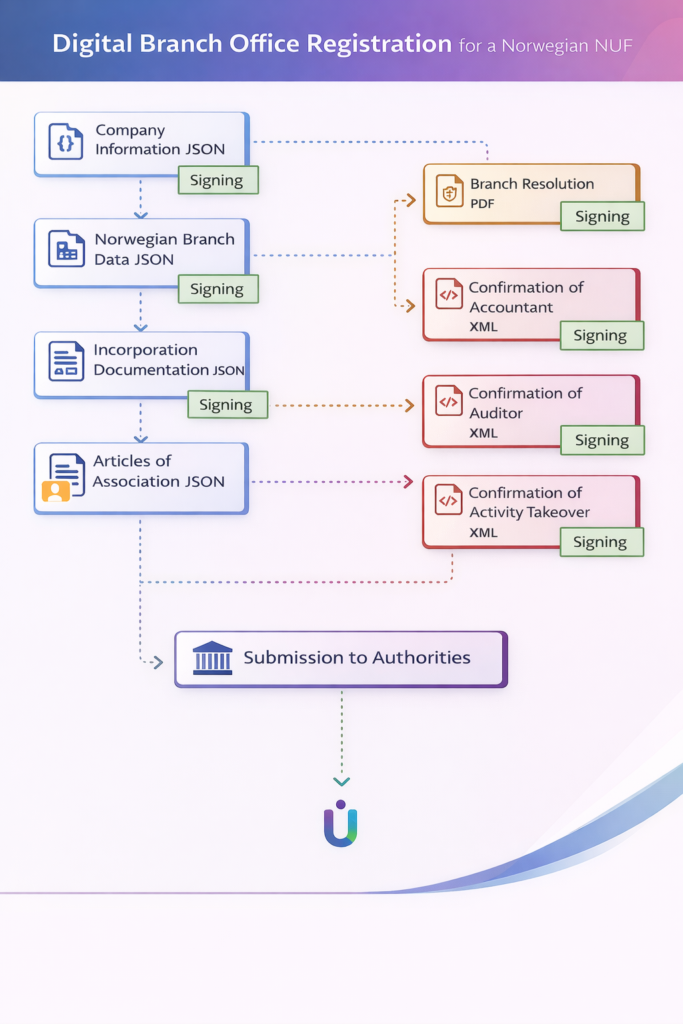
Establish a Norwegian Branch Office (NUF) – Streamlined and Secure Registration
Our solution is currently delivered as a hybrid model, combining digital workflows with the manual steps that are still required under existing regulations. At the same time, we are working closely with Norwegian authorities to evolve the solution towards a fully digital end-to-end process, aiming to simplify workflows, reduce manual handling, and enable faster, more efficient registrations in the future.
How the Registration Process Works
The service has been developed in close collaboration with pilot customers, using real registration cases to refine workflows, validate compliance, and improve usability. Continuous feedback from early users has shaped a practical, reliable solution aligned with real-world business needs.

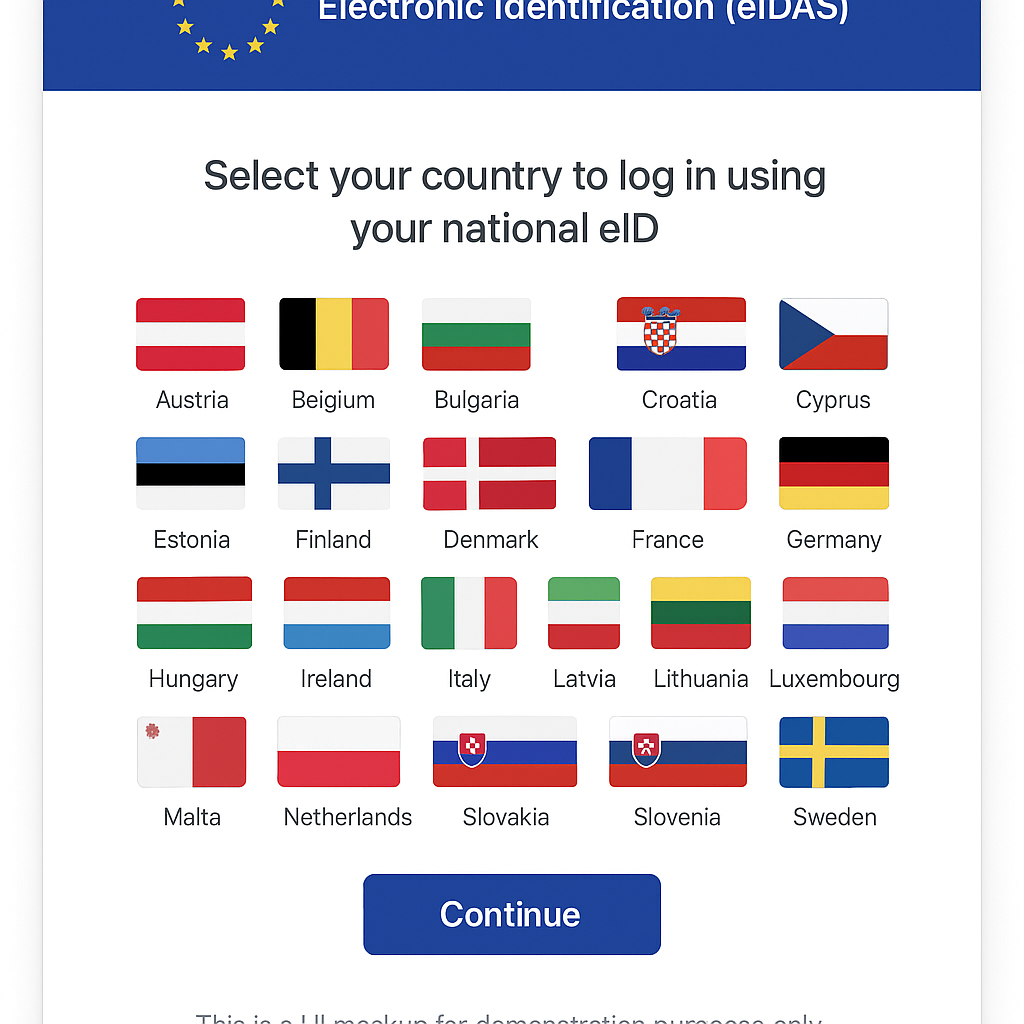
Log In with eID – Secure Digital Authentication
Access the service securely using approved electronic identification. Fast, compliant authentication ensures a safe and seamless login experience for users and businesses.
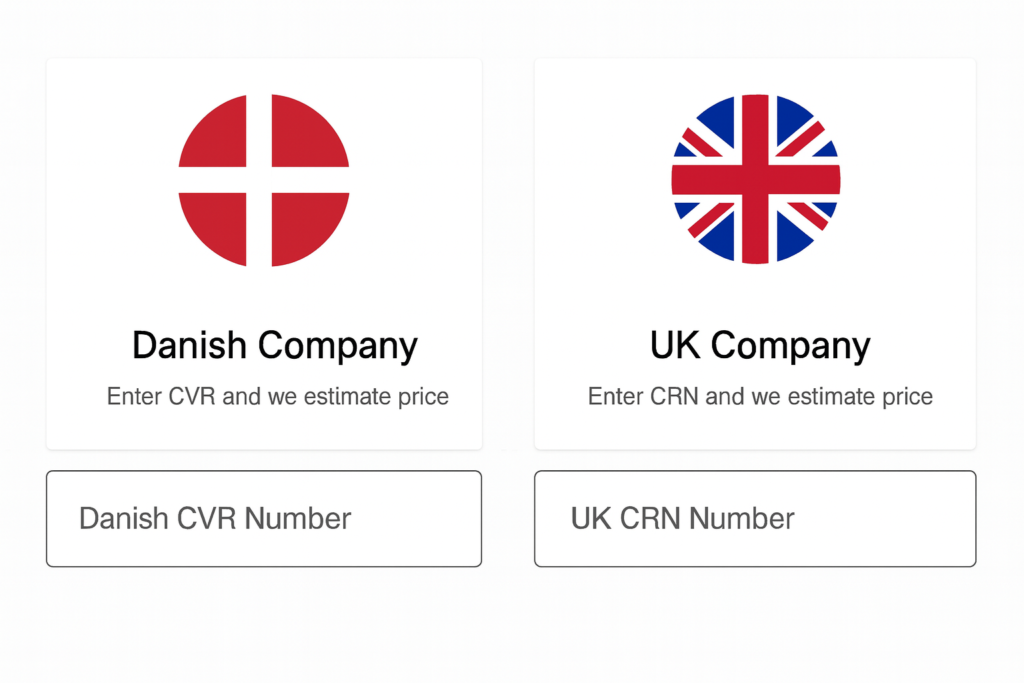
Company Details Loaded Automatically via CRN
Enter your CRN number and we will automatically retrieve your company data via API.
Provide a Few Details and Upload Required Documents
Only a small amount of information needs to be entered in the portal, along with uploading the required documents. The guided process ensures that all necessary details are captured quickly and correctly, keeping the registration simple and efficient.

Documents Sent for Blue Ink Signature
Required documents are prepared and sent for physical blue ink signature. Once signed, the documents are returned and securely uploaded to the portal to complete the registration process.

Official Norwegian Authority Stamping
Where required, documents are officially stamped in Norway by an authorized Norwegian authority to ensure legal validity and regulatory compliance.

Submission to Norwegian Authorities for Case Processing
Once completed, the documents are forwarded to Brønnøysundregistrene, where the case enters official processing and is placed in a handling queue. The full review and registration process typically takes 2–6 weeks, depending on the current workload of the authorities.