Norwegian Cities and Regions – Industrial Strengths and Economic Hubs
Norway’s cities and regions each play a distinct role in the national economy, shaped by geography, resources and industry specialisation. This overview provides insight into key urban centres and regional clusters, highlighting dominant industries, business ecosystems and strategic relevance for international companies exploring the Norwegian market.

Region Oslo – Norway’s primary economic and innovation hub

The Oslo region is Norway’s largest economic centre and the country’s leading hub for finance, technology, professional services and public administration. Home to the capital city Oslo, the region concentrates national decision-making, corporate headquarters, startup ecosystems and international business activity, making it a natural entry point for companies establishing a presence in Norway.
Primary industries:
Finance and banking, technology and software, professional services, life sciences, public sector, startups and scaleups.
Profile: Norway’s main decision-making centre and the country’s strongest hub for headquarters, investment, innovation and international business services.
Bergen Region – Ocean Industries and Export-Driven Business Hub
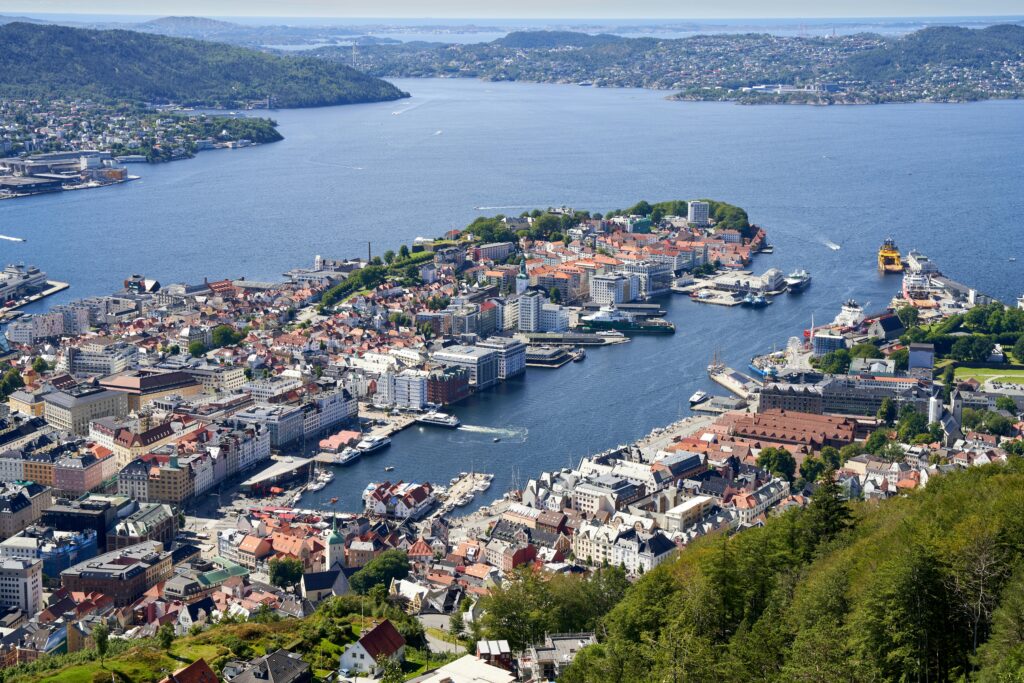
The Bergen region is the commercial centre of Western Norway and a key driver of the country’s ocean-based economy. Shaped by its coastal location and long trading history, the region plays a central role in maritime industries, seafood exports and energy-related services, making it highly relevant for international companies operating within global value chains.
Primary industries
Maritime and shipping, seafood and aquaculture, ocean technology, energy services, media.
Profile
Norway’s leading ocean economy cluster with strong international orientation and export activity.
Stavanger Region – Energy Capital and Industrial Technology Hub

The Stavanger region is Norway’s energy capital and one of Europe’s most advanced energy clusters. Built around decades of offshore oil and gas activity, the region is now also a centre for renewable energy, offshore wind and industrial transition technologies.
Primary industries
Oil and gas, energy services, offshore engineering, renewables, industrial technology.
Profile
Norway’s strongest energy and engineering ecosystem with global industry connections.
Trondheim Region – Technology, Research and Innovation Centre
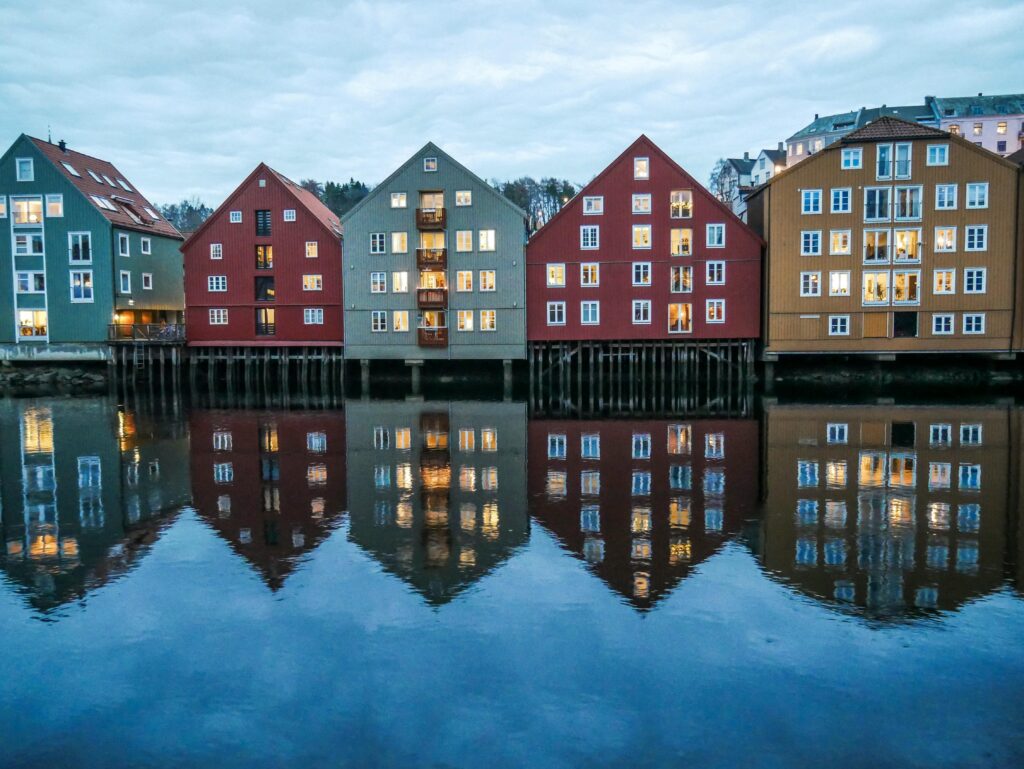
The Trondheim region is Norway’s leading hub for research, technology development and engineering-driven innovation. With a strong concentration of research institutions and technology companies, the region plays a key role in developing advanced solutions for global markets.
Primary industries
Technology and software, engineering, deep tech, research and education.
Profile
National centre for R&D and innovation with strong links between academia and industry.
Kristiansand Region – Industrial Production and Logistics Gateway

The Kristiansand region is an important industrial and logistics hub in Southern Norway, with close connections to continental Europe. Its geographic position and industrial base make it a strategic entry point for manufacturing and export-oriented businesses.
Primary industries
Manufacturing, process industry, energy equipment, logistics and transport.
Profile
Export-focused industrial region with strong European connectivity.
Ålesund Region – Maritime Engineering and Fisheries Cluster
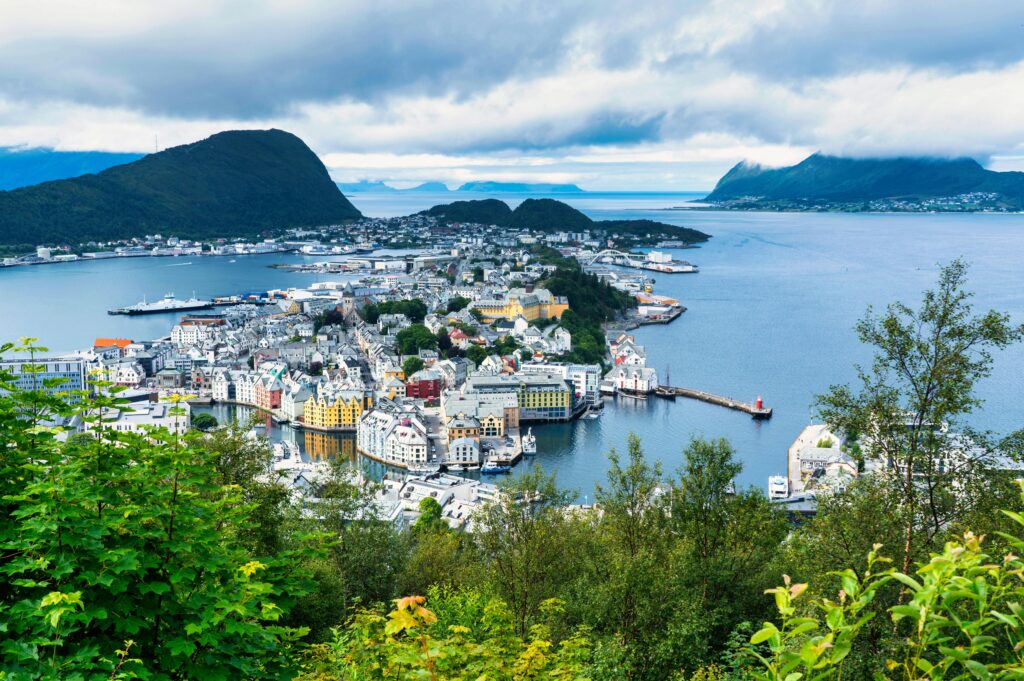
The Ålesund region is internationally recognised for its maritime expertise and advanced vessel design. Closely linked to fisheries and seafood processing, the region serves as a global niche hub for maritime engineering and ocean industries.
Primary industries
Shipbuilding, maritime equipment, fisheries, seafood processing.
Profile
Specialised global maritime cluster with strong export orientation.
Tromsø Region – Arctic Industries and Knowledge Hub

The Tromsø region is Northern Norway’s leading centre for Arctic research, fisheries and tourism. Its strategic location makes it a hub for Arctic operations, research and emerging space- and satellite-related activities.
Primary industries
Fisheries, Arctic research, tourism, space and satellite services.
Profile
Knowledge-driven Arctic hub with growing international relevance.
A Strong Gateway to the Norwegian Market
For international companies, Norway’s cluster environments provide an efficient and structured entry point into the market. Through strong collaboration between industry, research institutions, and public actors, you gain fast access to expertise, strategic networks, and pilot customers—reducing risk and accelerating time to commercial results.
A World-Leading Maritime Innovation Cluster

GCE Blue Maritime Cluster samler mer enn 200 selskaper og partnere langs hele den maritime verdikjeden – fra design, bygging og utstyr til drift av avanserte fartøy – og fungerer som en katalysator for samarbeid, kompetansebygging og felles initiativer med internasjonal effekt. Gjennom sterk kobling mellom industri, forskning og myndigheter styrkes innovasjon, konkurransekraft og tilgang til globale markeder i et av verdens mest komplette maritime økosystemer.
A National Cluster for Applied Artificial Intelligence

Cluster for Applied AI is Norway’s business cluster for applied artificial intelligence, focused on enabling profitable and sustainable use of AI across industries. The cluster provides members with access to national and international networks, competence development, innovation projects, and support in securing funding. By connecting companies, research institutions, and the public sector, it accelerates responsible AI adoption and drives measurable business impact.
A Leading Cluster Accelerating the Energy Transition
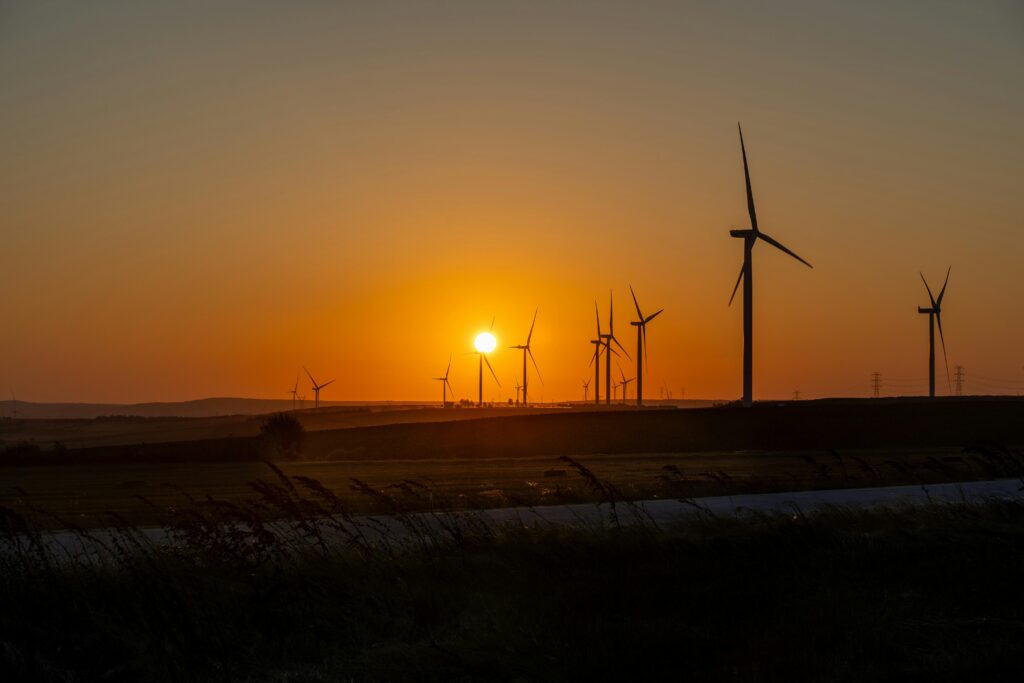
Energy Transition Norway is a national energy cluster that brings together operators, suppliers, start-ups, investors, research institutions and public actors across the full energy value chain to accelerate the shift toward low-emission and renewable energy solutions. The cluster acts as a platform for collaboration, innovation, technology development and project financing, enabling members to connect, co-create and scale energy transition initiatives — from offshore wind and hydrogen to carbon capture and other sustainable technologies
A Driving Force for Energy and Climate Innovation
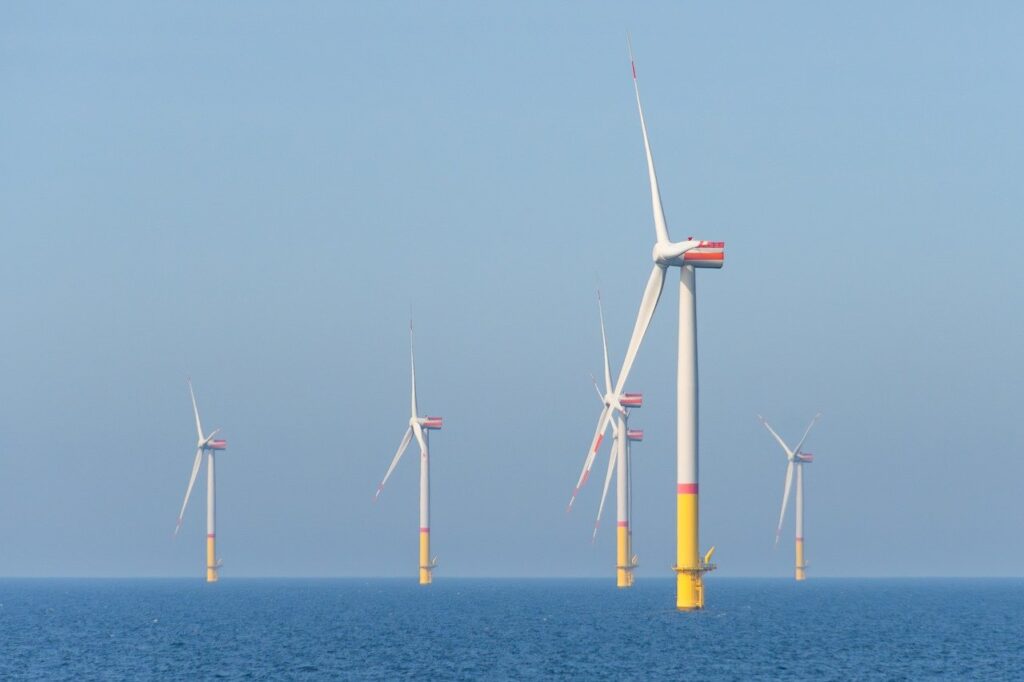
Energy Valley is a Norwegian business cluster focused on accelerating the green shift by connecting companies, research institutions and public stakeholders across the energy and sustainability ecosystem. The cluster enables collaboration on commercial-ready solutions in areas such as renewable energy, energy efficiency, decarbonization and digital transformation. Through shared initiatives, innovation projects and global partnerships, Energy Valley helps members scale sustainable technologies and strengthen competitiveness in international markets.
A National Cluster for Aquaculture Innovation
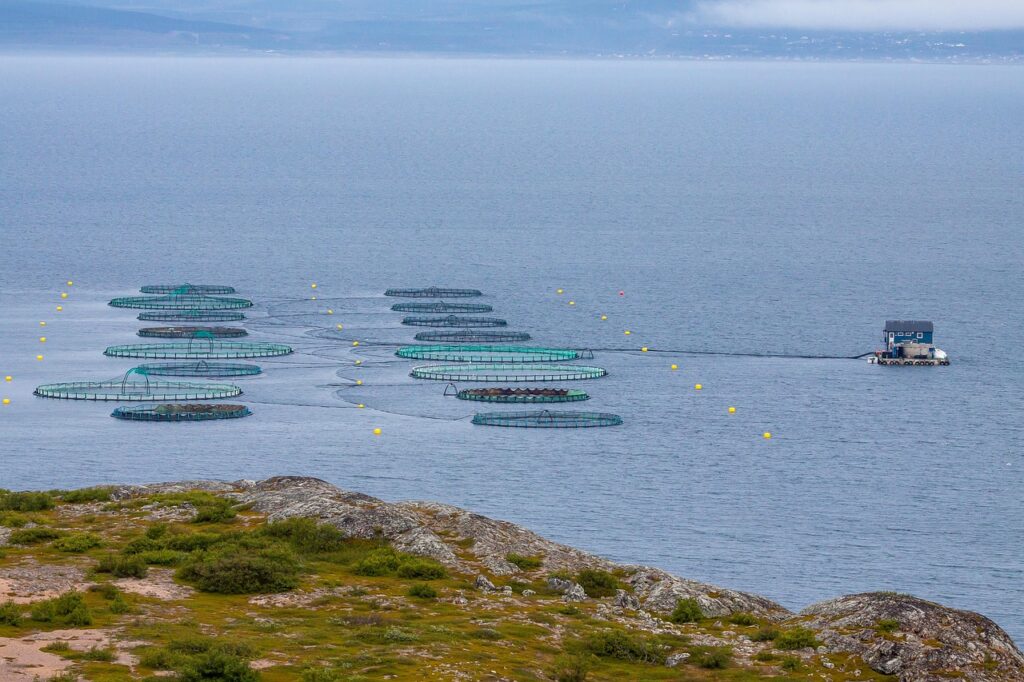
Aquatech Cluster is a Norwegian business cluster dedicated to advancing sustainable and competitive aquaculture through collaboration, innovation and technology development. The cluster brings together suppliers, producers, research institutions and public actors to accelerate solutions across the entire aquaculture value chain — from feed and equipment to digital tools and environmental management. By facilitating partnerships, pilot projects and market access, Aquatech Cluster strengthens member capabilities and drives scalable, export-ready solutions for global aquaculture challenges.
A Cluster for Sustainable Marine Value Creation

Blue Legasea is a Norwegian marine industry cluster that brings together actors across the full seafood value chain — from sea to table — including fisheries, aquaculture, technology and supplier partners. The cluster drives collaboration and innovation to increase utilization of marine raw materials, develop circular solutions and boost value creation in the blue bioeconomy. Through strong partnerships and shared projects, Blue Legasea strengthens competitiveness, supports sustainable growth and helps position Norway as a leader in marine resource innovation.