Requirements for Getting Your Food Segments Listed with Norwegian Food Wholesalers
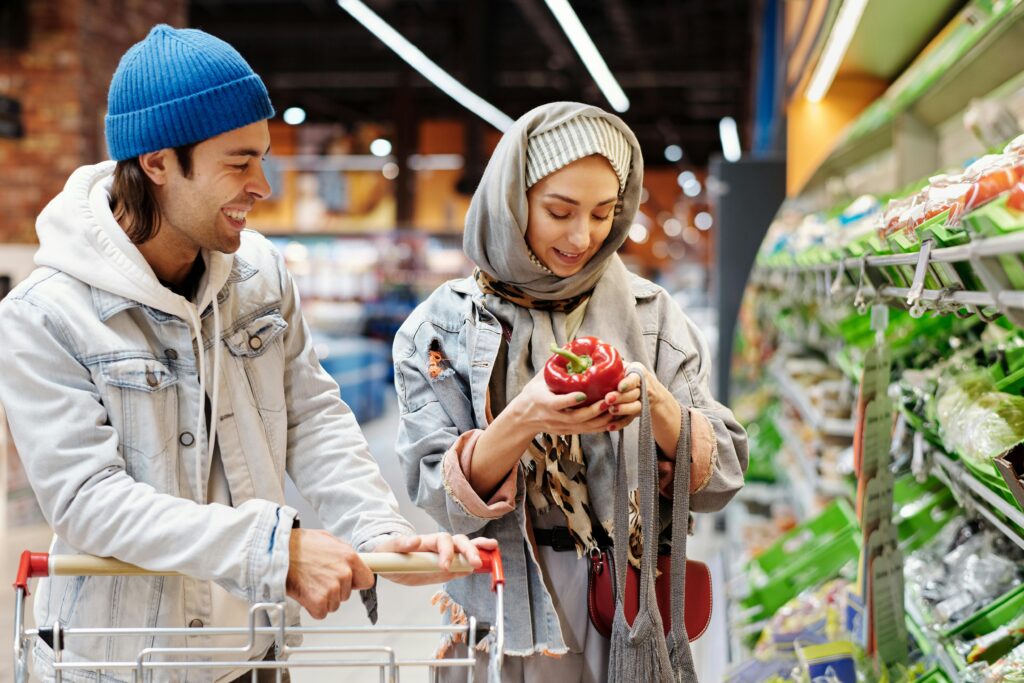
All suppliers of food and food contact materials must be registered with Mattilsynet. This registration is mandatory and confirms that the supplier complies with Norwegian food safety legislation and is subject to official supervision. Only registered suppliers are permitted to deliver products to Norwegian food wholesalers.
Who, What, and How
Product registration with the Norwegian Food Safety Authority (Mattilsynet) is a mandatory requirement for companies that want to operate in Norway. The registration process ensures that your products comply with strict regulations related to food safety, environmental protection, and consumer trust.
Whether you import food products, manufacture cosmetics, or handle plant-based or animal products, proper registration is essential to legally place your goods on the Norwegian market.
Registration is required for businesses that:
- Operate within the food supply chain, cosmetics, plant products, or animal products
- Must comply with Norwegian health, safety, and environmental regulations
- Need clear product traceability to build trust with consumers and business partners
This process helps ensure regulatory compliance while strengthening credibility in the Norwegian market.
Food and Beverages
Companies that import or produce food and beverages must register these products with the Norwegian Food Safety Authority (Mattilsynet). This requirement applies to finished food and drink products as well as ingredients used in food production, including alcoholic products.
Registration ensures that all products meet Norwegian standards for traceability, quality, and food safety, helping to protect consumers and maintain trust in the market.
Deposit Return Scheme for Bottles and Cans in Norway
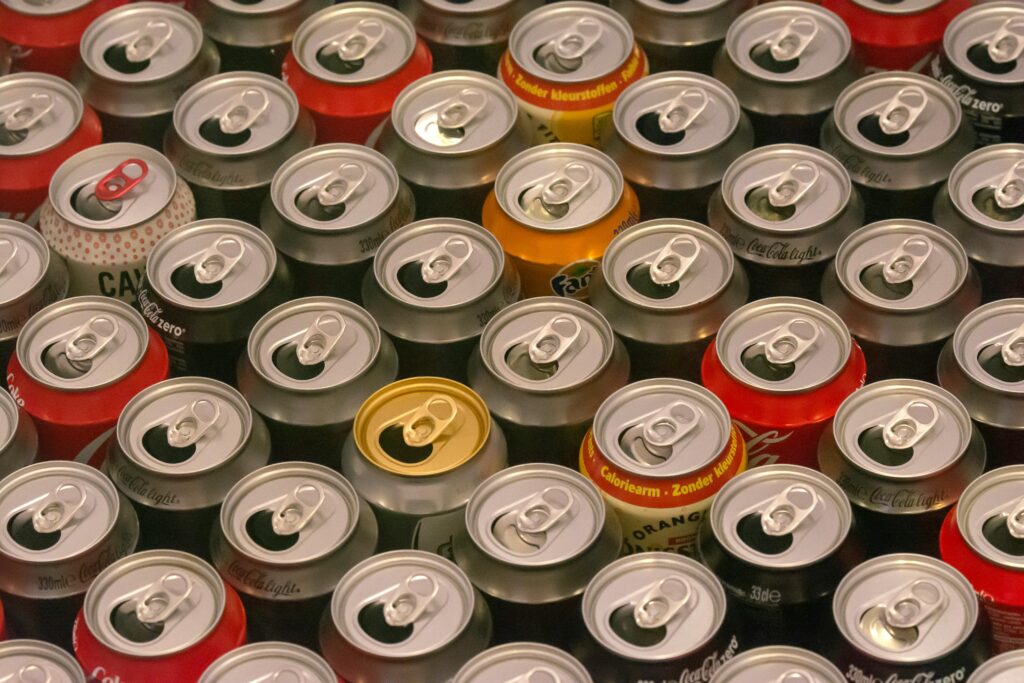
Norway operates a mandatory deposit return scheme for beverage packaging, designed to ensure high recycling rates and reduce environmental impact. The system is managed by Infinitum and applies to most disposable beverage containers placed on the Norwegian market.
Companies that produce or import beverages in Norway are required to participate in the scheme.
The deposit scheme applies to:
- Plastic bottles (PET)
- Metal cans (aluminium)
- Disposable beverage packaging for soft drinks, water, energy drinks, beer, and similar products
Key requirements for businesses:
- Producers and importers must be registered with Infinitum
- A deposit must be added to the consumer price (typically NOK 2 or NOK 3, depending on size)
- Packaging must be correctly labelled with an approved deposit mark
- Each product must be registered with valid product and barcode information
Why participation is important:
- Ensures compliance with Norwegian environmental regulations
- Avoids high environmental taxes on non-registered packaging
- Enables efficient recycling and traceability
- Builds trust with retailers, authorities, and consumers
Failure to comply with the deposit return requirements may result in products being rejected by retailers or subject to additional fees and sanctions.
Cosmetics and Hygiene Products

Cosmetics and hygiene products must be registered with the Norwegian Food Safety Authority (Mattilsynet) to ensure compliance with Norwegian health and safety standards. Product ingredients are carefully reviewed to identify and prevent potential risks to consumers.
This registration process helps protect both consumer health and the environment, and is a necessary step for legally marketing cosmetic and hygiene products in Norway.
Animal and Plant-Based Products
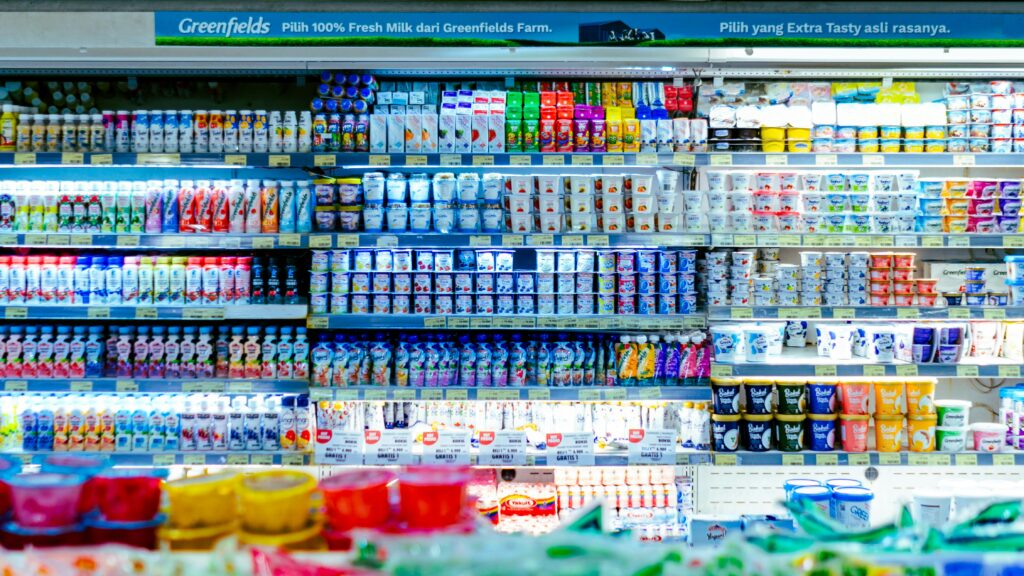
The production and import of animal-based products such as meat, fish, seafood, and dairy products, as well as plant-based goods including seeds and plants, require proper registration with the Norwegian Food Safety Authority (Mattilsynet).
These products can have a significant impact on the Norwegian ecosystem. Registration ensures they meet the required standards for safety, quality, and environmental protection before entering the Norwegian market.
Apply to Mattilsynet

The registration process may appear complex, but with the right steps and proper guidance, it is straightforward to navigate. We help ensure the process is as smooth and efficient as possible.
Register your company in Norway
Set up your business in the Norwegian business register to ensure you can begin the registration process correctly.
Log in to the Norwegian Food Safety Authority portal via Altinn using your Norwegian D-number
Use your organisation number to access Mattilsynet’s digital registration system.
Complete the required registration form with product details
Provide information about your products, including ingredients, origin, and intended use.
Pay the registration fee and prepare for inspection, if required
Finalize the registration by paying the applicable fee and preparing for a possible inspection of your products.
GS1 Registration and Product Identification Requirements
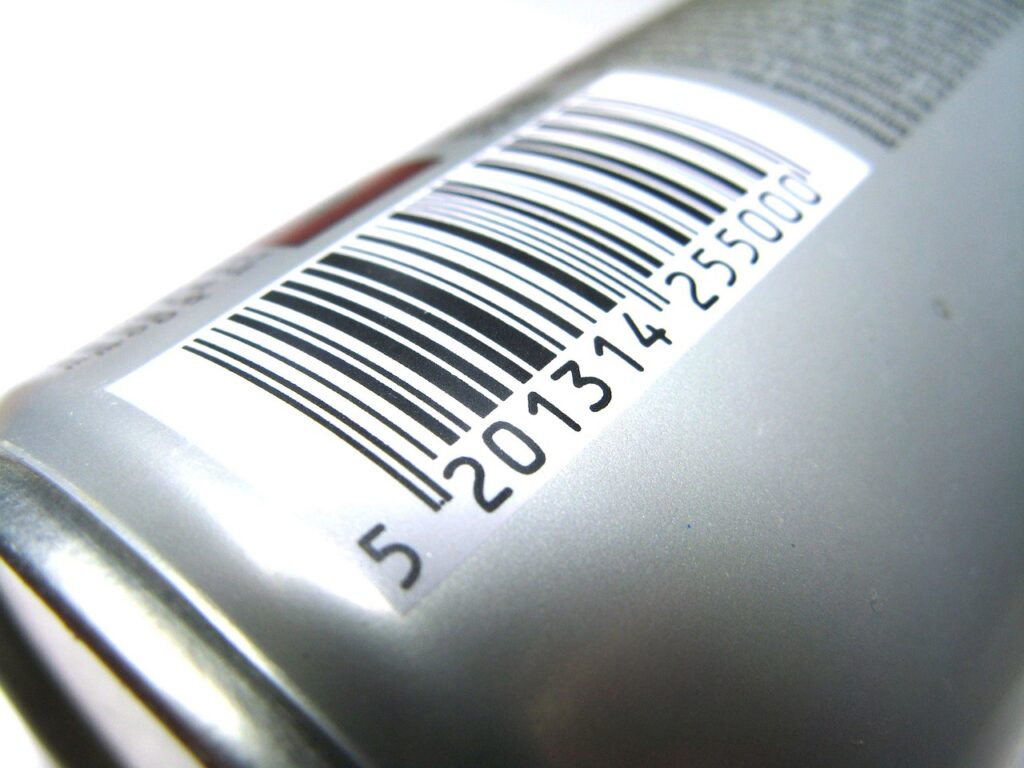
All suppliers are expected to use standards from GS1 Norway for product identification and data exchange. This includes assigning unique GTINs (barcodes) to products and using GLNs to identify companies and locations. GS1 standards ensure correct product registration, traceability, and efficient handling across wholesalers’ logistics and IT systems, and are a prerequisite for listing products with most Norwegian food wholesalers.
Packaging Recovery Scheme Membership Requirements
All suppliers must be members of an approved packaging recovery scheme, such as Grønt Punkt Norge or Norsirk. Membership ensures compliance with Norwegian regulations on packaging waste, including collection, recycling, and reporting obligations. This is a standard requirement for supplying products to Norwegian food wholesalers.
Product Data Registration in Tradesolution EPD Base

All suppliers must be registered in the Tradesolution EPD base, which is the standard product data platform used by Norwegian wholesalers and retail chains. Registration ensures that accurate and standardized product information—such as product details, packaging, logistics data, and pricing structures—is available to trading partners. Listing products in the EPD base is a prerequisite for onboarding and efficient distribution through Norwegian food wholesalers.
Compliance with STAND Standards

All suppliers are required to comply with the standards developed by Standardiseringsutvalget for Norsk Dagligvare (STAND). These standards define common requirements for product data, logistics, labeling, and collaboration within the Norwegian grocery sector. Compliance with STAND standards ensures efficient data exchange, predictable processes, and seamless cooperation with Norwegian food wholesalers and retail chains.
Registration for Local Food Producers
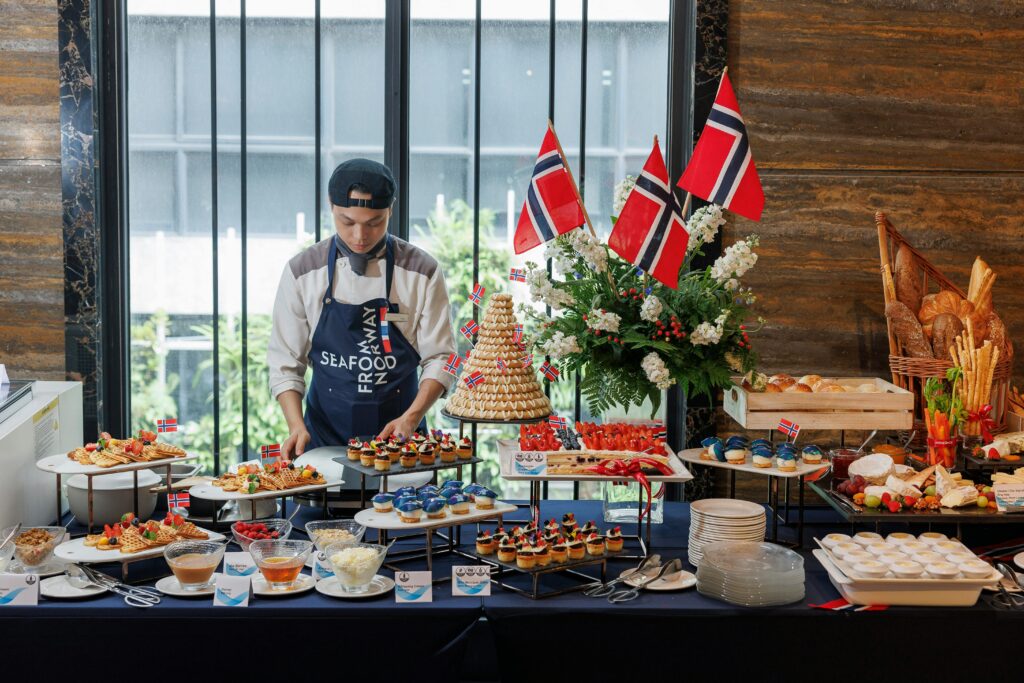
All producers of local food must be registered on Lokalmat.no. This registration makes local food products visible to wholesalers, retailers, and food service operators, and serves as an official channel for presenting producer information and product details. Registration on Lokalmat.no is a standard requirement for producers supplying local food to the Norwegian market.
EDI and Logistics Requirements for ASKO Distribution
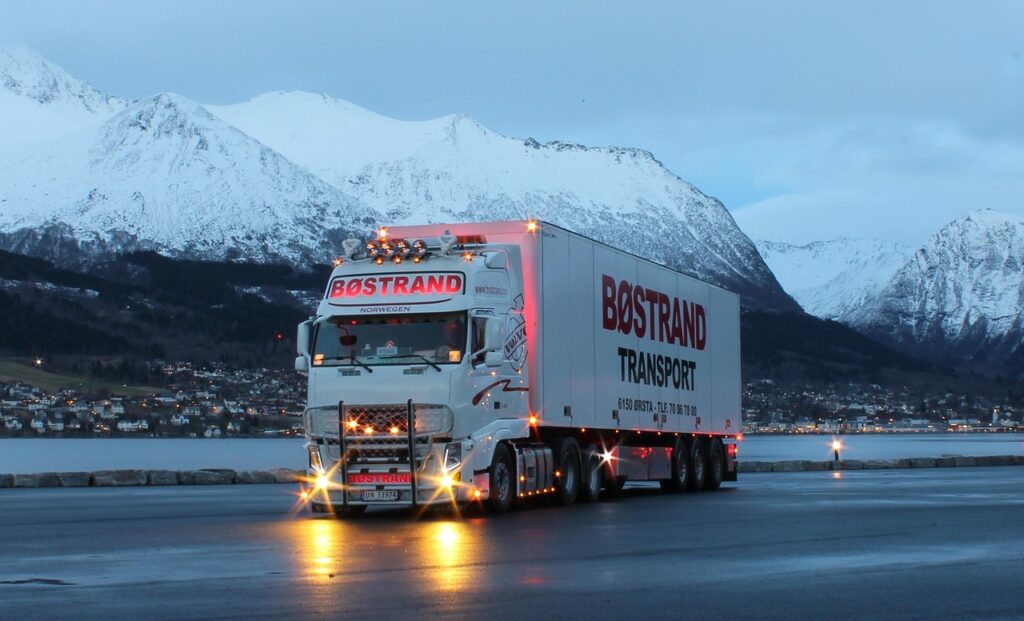
All suppliers distributing products through ASKO must have an approved EDI (Electronic Data Interchange) solution in place and be members of Norsk Lastbærer Pool (NLP).
EDI enables automated and accurate exchange of orders, confirmations, and invoices, while NLP membership ensures standardized pallets are used throughout the logistics chain. Both are mandatory requirements for efficient distribution and collaboration with ASKO.
Electronic Invoicing (EHF) Requirement
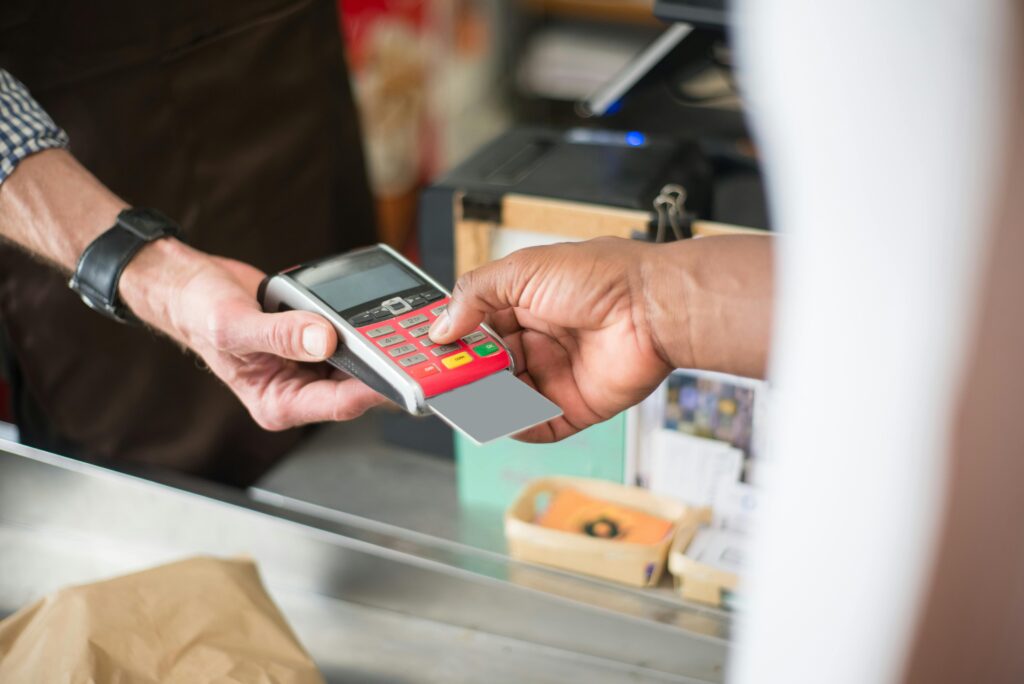
All direct suppliers must use EHF (Electronic Invoice) for invoicing. EHF is the mandatory electronic invoicing standard in Norway and ensures secure, standardized, and efficient invoice processing. Using EHF is a prerequisite for doing business with Norwegian wholesalers and distributors, and helps reduce errors, manual handling, and administrative costs.
The Three Market-Controlling Grocery Groups in Norway
The Norwegian grocery market is highly concentrated and effectively controlled by three groups: NorgesGruppen, Coop Norge, and REMA 1000 (owned by Reitan Retail). Together, these players account for approximately 96–97% of total grocery turnover in Norway. In practice, this means they decide which products gain shelf space, define requirements for pricing, logistics, product data, and sustainability, and control large parts of the wholesale, warehousing, and distribution infrastructure. As a result, they hold significant negotiating power over all food suppliers seeking access to the Norwegian market.