Efficient Transport and Logistics in Norway in a Demanding Landscape

Norway’s transport and logistics sector operates under unique conditions shaped by long distances, challenging terrain, and a harsh climate. To ensure reliable and cost-efficient supply chains, businesses must balance infrastructure, technology, and strategic planning while adapting to regulatory requirements and sustainability goals.
Norway’s Trade Balance – Import and Export Excluding Oil and Fish (SSB)

When excluding oil, gas, and fish, Norway’s trade balance is more balanced and can fluctuate between surplus and deficit. According to Statistics Norway (SSB), mainland exports mainly consist of industrial goods, metals, technology, and services, while imports are largely made up of consumer goods, machinery, and production inputs. This perspective provides a more accurate picture of the competitiveness of Norway’s mainland economy.
E-commerce and Export to Norway – A Market That Has Always Been Challenging

Selling to Norway has long been complex for international e-commerce and exporters. As a country outside the EU customs union, Norway introduces additional layers of customs procedures, VAT handling, documentation requirements, and logistics costs. Combined with strict regulations, high consumer expectations, and geographic challenges, these factors make market entry and scalable growth more demanding than in EU markets.
Norway and EFTA – Access to the EU Market Without the Customs Union

Norway is a member of EFTA and, through the EEA Agreement, has access to the EU single market. At the same time, Norway remains outside the EU customs union as well as the common agricultural and fisheries policies. This framework provides market access while maintaining national control, but it also introduces additional trade, customs, and compliance requirements for companies operating across borders.
Having the Right Terms – The Impact of a Norwegian Organization Number

Whether or not a business has a registered Norwegian organization number has a direct impact on costs, risk, and operational complexity. Without a local entity, companies often face higher logistics costs, more complex VAT and customs handling, and less favorable delivery terms. Incoterms define delivery obligations and risk transfer, but with a registered presence in Norway, businesses can reduce total landed costs, simplify compliance, and establish clearer, more competitive terms for customers and partners.
Incoterms and Commercial Setup – With or Without a Norwegian Organization Number
The choice of Incoterms has a significant cost and risk impact when selling to Norway, and this impact changes depending on whether you have a Norwegian organization number.
Without a Norwegian organization number, sellers typically rely on Incoterms such as DAP (Delivered At Place). In this setup, the buyer often becomes responsible for import VAT, customs clearance, and duties, which increases friction, unpredictability, and total cost for the end customer.
With a Norwegian organization number, businesses can use Incoterms like DDP (Delivered Duty Paid) or structured DAP combined with local VAT registration. This allows the seller to manage customs clearance and VAT directly, reduce handling fees, avoid delays, and offer a smoother customer experience. In practice, a local setup enables clearer pricing, lower overall costs, and stronger commercial control across the supply chain.
Incoterms – Defined by the ICC
Incoterms are published and maintained by the International Chamber of Commerce (ICC) and provide globally recognized rules that define delivery terms, cost allocation, and risk transfer in international trade. Using the official ICC Incoterms ensures clarity, consistency, and legal certainty when structuring trade to and within Norway.
You can get a full overview of all Incoterms by downloading the fact sheet.
Return Logistics – Simplified with a Local Norwegian Entity

Return logistics in Norway become significantly simpler when operating with a local entity. Customers can return goods domestically, avoiding cross-border complexity, while your business reduces costs related to international shipping, storage, and customs handling. A local setup improves efficiency, lowers return-related expenses, and delivers a smoother customer experience.
RMA Returns & Repairs – Clear Processes with a Norwegian Entity

RMA returns and repair flows require well-defined procedures for shipping goods back for inspection or service. With a Norwegian entity in place, customs and VAT handling are significantly simplified, reducing delays, administrative overhead, and costs while ensuring a more predictable and efficient repair process.
Norwegian Warehousing – Closer to the End Customer
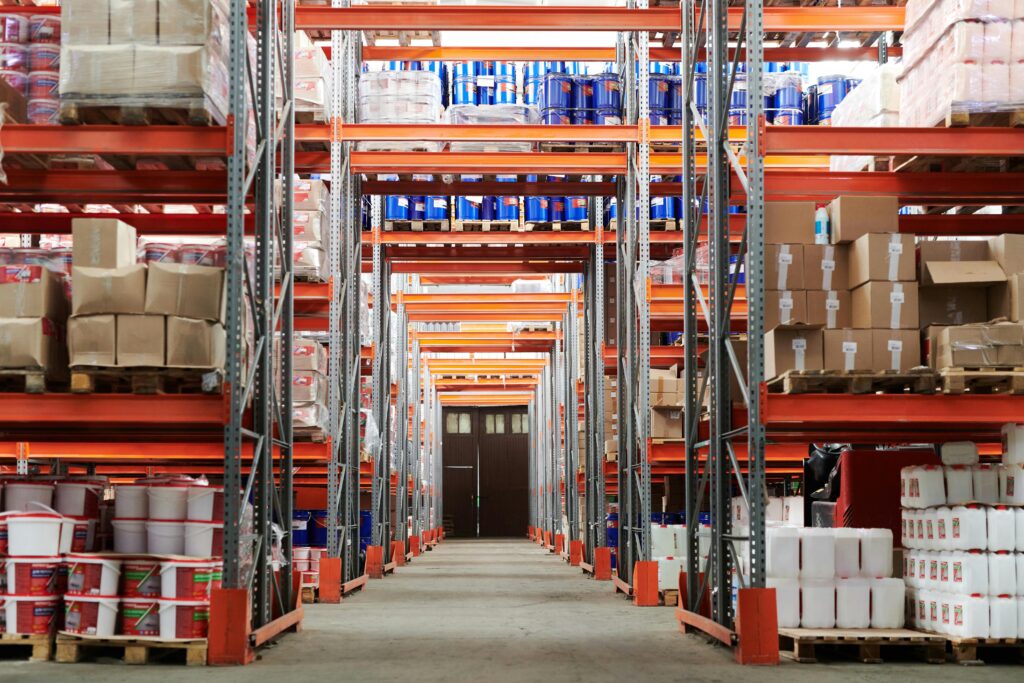
With incorporation in Norway, companies can leverage local warehousing to significantly reduce distance to the end customer. This results in faster delivery times, lower last-mile logistics costs, and more predictable service levels. A Norwegian warehouse also enables domestic handling of VAT and returns, improving efficiency while enhancing the overall customer experience.
HS Codes – Accurate Classification for Norwegian Imports

HS (Harmonized System) codes are mandatory for all imports into Norway and form the basis for customs clearance, VAT calculation, duties, and regulatory compliance. With a Norwegian entity, correct HS code classification becomes critical, as errors can lead to delays, additional costs, penalties, or incorrect VAT treatment. A structured approach to HS codes ensures predictable import processes, cost control, and full compliance with Norwegian customs requirements.
What Is TARIC? The EU Customs Database and How to Use It for Exports to Norway
TARIC is the EU’s official, legally binding customs and trade database. It shows which duties, rules, and requirements apply to a product and explains how to use TARIC to determine tariffs, documentation, and trade conditions when exporting goods from the EU to Norway.

Norwegian Customs Credit – Benefits of a Norwegian Organization Number

Norwegian Customs Credit is available only to companies with a Norwegian organization number. With this setup, import duties and VAT can be deferred through an approved customs credit account registered with Norwegian Customs. This reduces upfront cash outlay at import, improves liquidity, and provides better control over customs payments. Without a Norwegian organization number, access to customs credit is not available, resulting in higher immediate costs and less financial flexibility.
Norwegian e-Customs (DigiToll) – Faster and More Predictable Clearance with a Norwegian Organization Number

Norwegian e-Customs, known as DigiToll, digitizes and streamlines the customs clearance process. With a Norwegian organization number, companies can integrate directly with DigiToll, enabling faster release of goods, fewer manual steps, and more predictable customs flows. This reduces delays at the border and improves overall supply chain reliability.
Pre-Declaration – Smoother Imports with a Norwegian Organization Number

Pre-declaration allows customs information to be submitted before goods arrive in Norway, enabling faster clearance upon entry. With a Norwegian organization number, companies can pre-declare shipments directly to Norwegian Customs, reducing border delays, improving predictability, and ensuring more efficient handling of VAT and duties.
Temporary Import and Storage Warehouse on Import – Efficient Handling with a Norwegian Organization Number
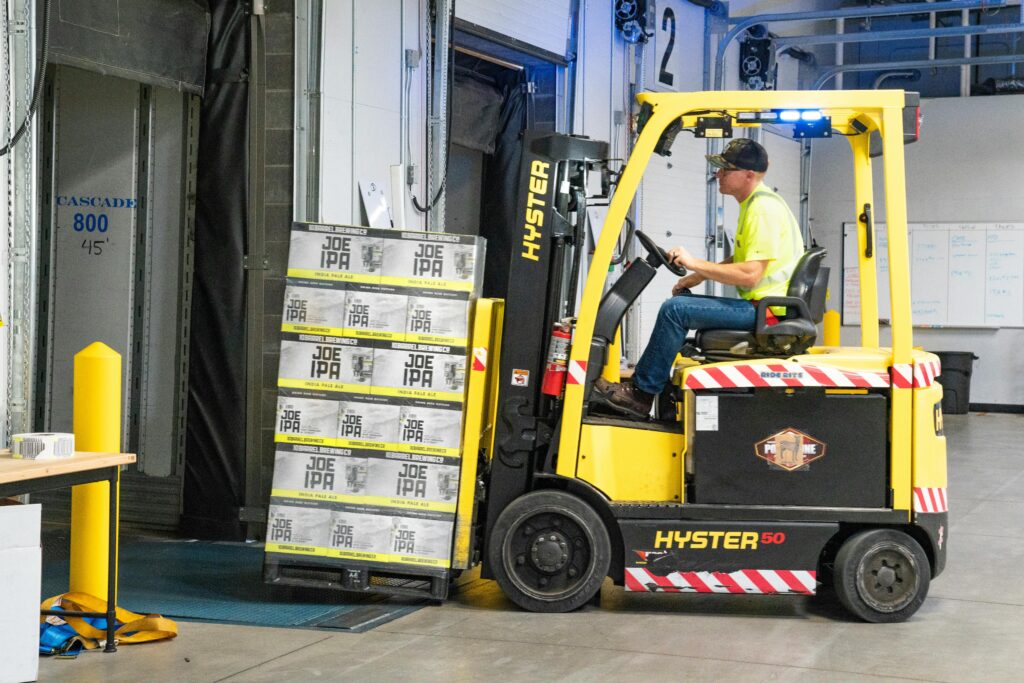
Using an Temporary Import and Storage warehouse on import allows goods to be stored and handled in Norway immediately after customs entry. With a Norwegian organization number, companies can import in bulk, clear goods locally, and distribute inventory as needed. This setup improves cash flow control, reduces handling delays, and enables faster delivery to the end customer.
Direct Imports from Third Countries to Norway – Avoiding Double Duties and VAT
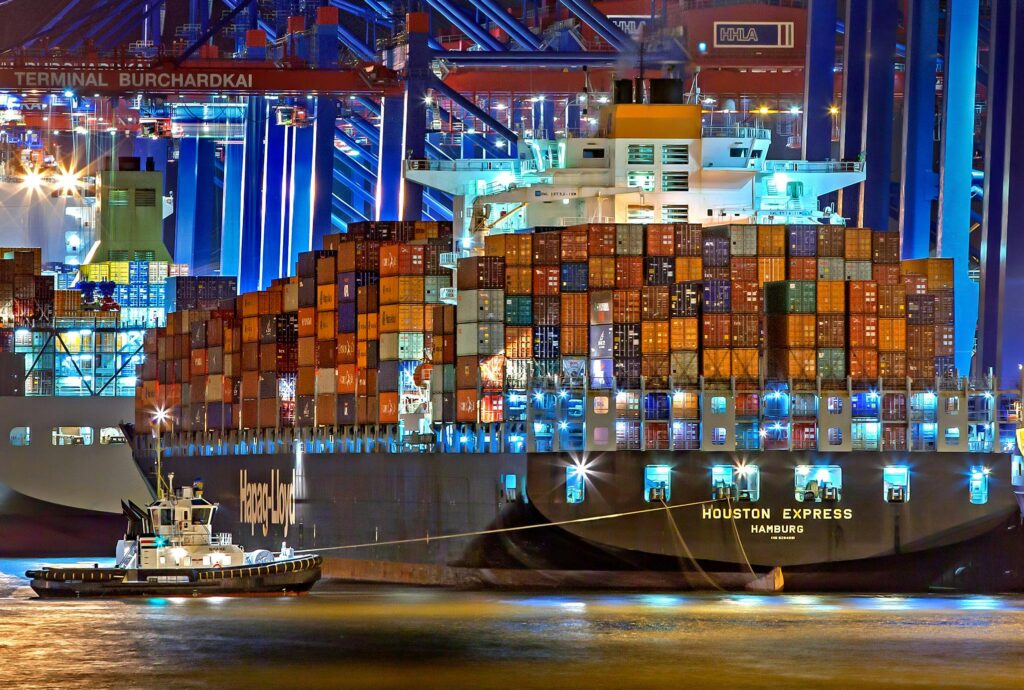
Importing goods directly from third countries to Norway, bypassing the EU, can reduce total costs by avoiding multiple layers of customs duties, VAT, and handling fees. By clearing goods only once upon entry into Norway, businesses can prevent double taxation, simplify customs processes, and achieve a more efficient and cost-effective import structure.
Customs Power of Attorney

A centralized customs power of attorney appoints one freight forwarder to manage all customs clearance and documentation, regardless of which carrier performs the transport. This ensures consistent compliance, reduced risk, and faster clearance. Courier shipments are excluded, as customs clearance is typically integrated into courier services and pricing.
ATA Carnet – Ideal for Trade Fairs and Exhibitions

An ATA Carnet allows goods to enter Norway temporarily without customs duties or VAT and is especially well suited for trade fairs, exhibitions, and demo equipment. For companies participating in exhibitions, it enables smooth cross-border movement of goods, avoids upfront tax payments, and ensures easy re-export after the event. This makes ATA Carnet a cost-effective and low-risk solution for short-term, event-based use in Norway.
Bulk Shipments – Cost Efficiency with a Norwegian Organization Number
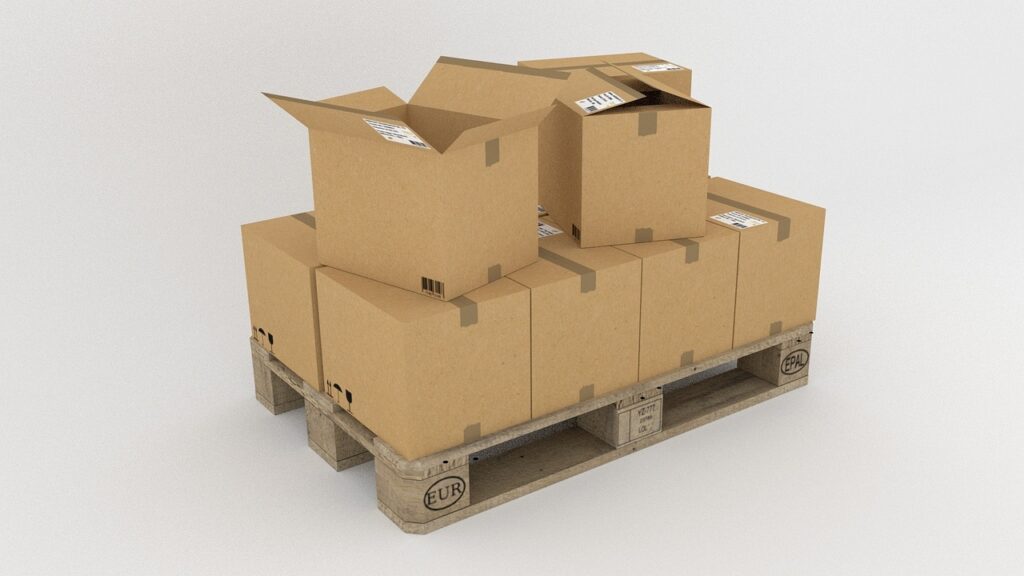
Bulk shipments enable goods to be imported in larger volumes, reducing per-unit transport and customs costs. With a Norwegian organization number, companies can act as the importer of record, consolidate shipments, and manage customs clearance and VAT domestically. This results in lower total logistics costs, better inventory control, and a more efficient supply chain into the Norwegian market.
Dropshipments – Better Control with a Norwegian Organization Number
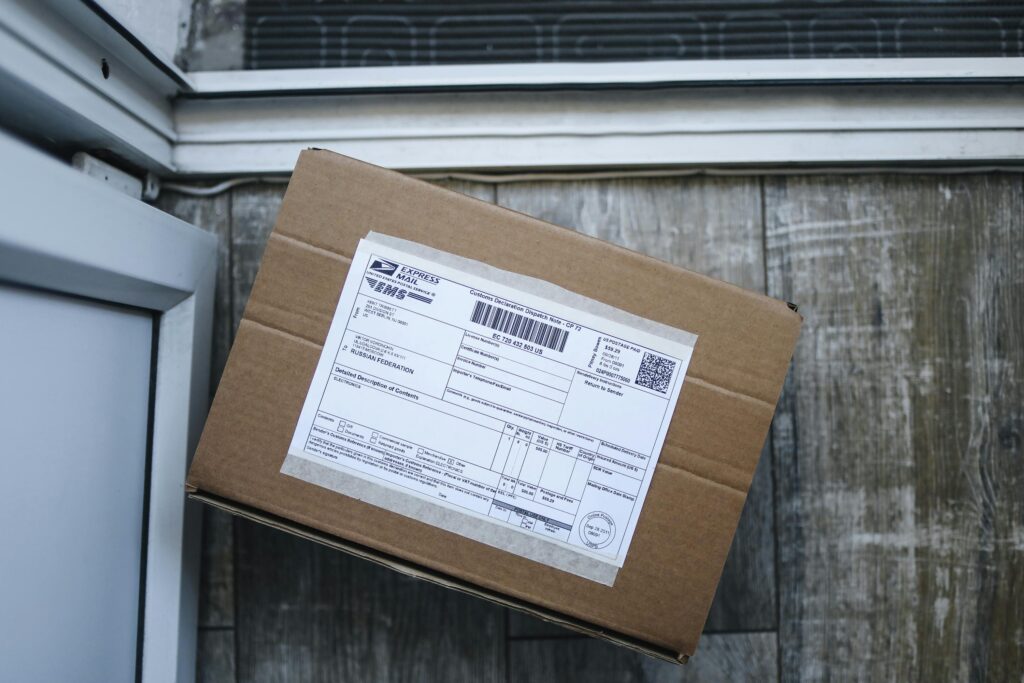
Dropshipments to Norway often involve complex VAT, customs, and delivery setups. With a Norwegian organization number, companies gain better control by acting as the importer of record, enabling clearer Incoterms, correct VAT handling, and more predictable delivery costs. This reduces friction for the end customer and lowers the risk of delays, extra fees, and failed deliveries.
Last Mile Deliveries – More Efficient with a Norwegian Organization Number

Last mile deliveries cover the final step from local hubs to the end customer and are often the most costly and complex part of logistics. With a Norwegian organization number, companies can use domestic carriers, local distribution networks, and predictable pricing models. This shortens delivery times, reduces costs, and improves delivery reliability and customer satisfaction.
EORI Numbers – How It Applies to Norway

Norway does not issue EORI numbers, as it is outside the EU Customs Union. Companies operating in Norway use their Norwegian organization number for customs clearance with Norwegian Customs. However, when trading with or exporting from the EU to Norway, an EU-issued EORI number may still be required for EU-side customs declarations. In practice, cross-border trade often involves using a Norwegian organization number in Norway and an EORI number within the EU systems.
Optimizing Frequency Flow – Lower Costs with a Norwegian Organization Number

Optimizing frequency flow reduces overall transport and handling costs by balancing shipment volume and delivery frequency. With a Norwegian organization number, companies can consolidate shipments, act as importer of record, and clear goods locally. This enables more efficient planning, lower per-unit costs, and a more predictable logistics flow into the Norwegian market.
Selling and Shipping Goods to Norway under VOEC – VAT and Compliance Explained
VOEC – A VAT Scheme, Not a Norwegian Entity
VOEC cannot be used in the following cases:
Sellers that have a registered business address or VAT registration in Norway
Goods valued above NOK 3,000 per item
Foodstuffs, including supplements and beverages
Goods subject to excise duties (e.g. alcohol, tobacco)
Restricted or regulated goods under Norwegian law
B2B sales (business customers)
Sales from warehouses or customs warehouses in Norway
Transport in and to/from Norway – An Overview

Transport in and to/from Norway is shaped by long distances, challenging geography, and a strong dependence on international trade. Efficient logistics requires choosing the right transport mode based on cost, speed, volume, and destination. Road, sea, air, rail, and intermodal transport all play distinct roles in ensuring reliable supply chains both domestically and across borders.
Road Transport – Flexible and Dominant in Norway

Road transport is the most widely used mode in Norway, offering flexibility and direct delivery to end customers, especially for domestic distribution and last-mile logistics.
Sea Freight – Cost-Efficient for Long Distances
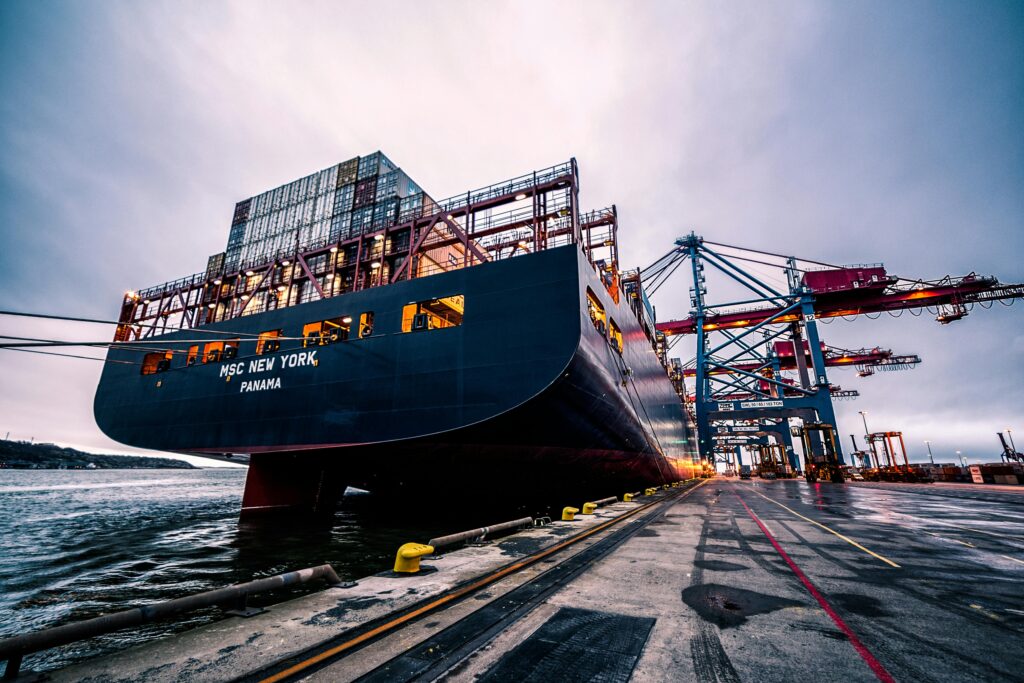
Sea freight plays a key role in Norway’s international trade and coastal logistics, well suited for large volumes, heavy goods, and long-distance imports and exports.
Key Freight Ports in Norway – Overview
Oslo – Norway’s main container port and primary gateway for consumer goods.
Bergen – Key hub for Western Norway, handling containers, seafood, and offshore cargo.
Stavanger – Specialized in energy, offshore, and project cargo.
Kristiansand – Important short-sea port with strong links to continental Europe.
Trondheim – Central Norway’s logistics hub for regional and international freight.
Narvik – Ice-free bulk port with rail connection to Sweden.
Tromsø – Main distribution hub for Northern Norway.
Air Freight – Speed for Time-Critical Goods
Air freight is used for high-value or time-sensitive shipments, providing fast access to and from Norway, though at higher cost compared to other transport modes.
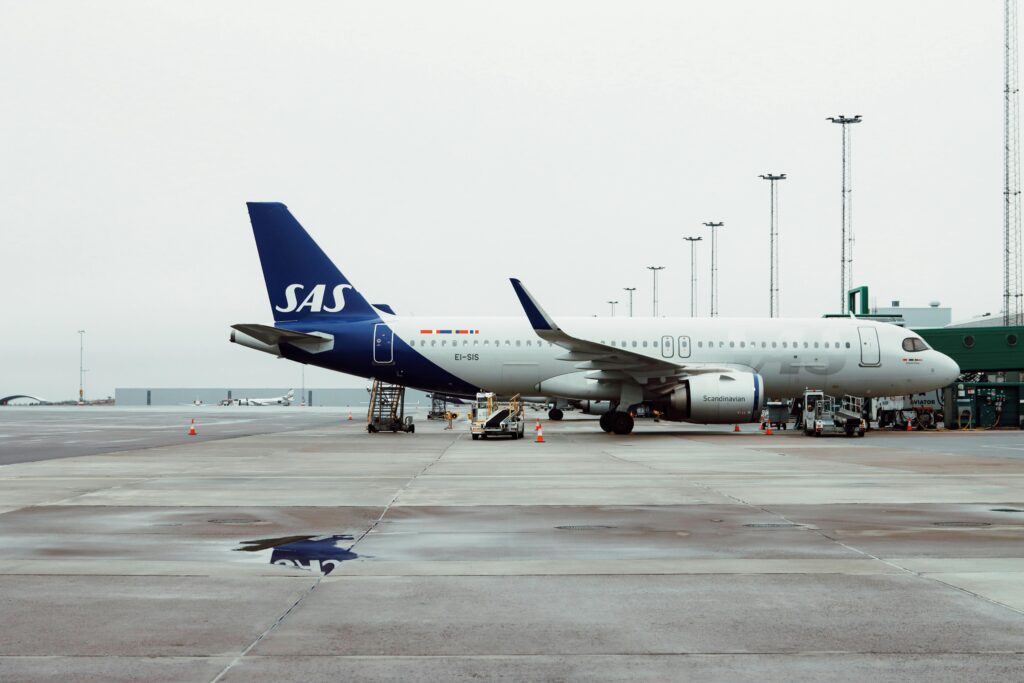
Key Cargo Airports in Norway – Overview
Oslo Airport (OSL) – Norway’s main air cargo hub, handling most international freight and express shipments.
Bergen Airport (BGO) – Key airport for Western Norway, supporting seafood exports and time-critical cargo.
Stavanger Airport (SVG) – Focused on energy-related cargo, offshore logistics, and international freight.
Trondheim Airport (TRD) – Central Norway hub for regional cargo and industrial shipments.
Ålesund Airport (AES) – Important for the maritime and seafood industries, serving Northwestern Norway with export-focused air freight.
Kristiansand Airport (KRS) – Southern Norway gateway for regional cargo, express freight, and connections to continental Europe.
Tromsø Airport (TOS) – Main air freight hub for Northern Norway, supporting seafood, medical, and priority goods.
Rail Transport – Sustainable and Stable for Bulk Flows
Rail transport is mainly used for bulk goods and longer inland routes, offering a more sustainable and predictable alternative where rail infrastructure is available.

Rail Freight Cities in Norway – Departure and Arrival Overview
Rail freight in Norway mainly connects the country’s largest logistics hubs and industrial regions:
Oslo (Alnabru) – Main national rail freight hub and primary origin/destination for most routes.
Kristiansand – Southern Norway connection for domestic freight.
Stavanger (Ganddal) – Key terminal for Southwestern Norway.
Bergen – Western Norway rail freight hub.
Trondheim – Central Norway hub linking north–south flows.
Mo i Rana – Important terminal for Northern Norway freight.
Fauske / Bodø – Northern corridor terminals on the Nordland Line.
Narvik – Strategic rail terminal with connections to Sweden and bulk cargo flows.
These routes support containerized, bulk, and intermodal freight transport across Norway.
Intermodal Transport – Combining Efficiency and Reach

Intermodal solutions combine road, sea, rail, and air to optimize cost, speed, and reliability, especially important in Norway’s challenging geography and long distances.
Courier Freight – Fast and Flexible Deliveries
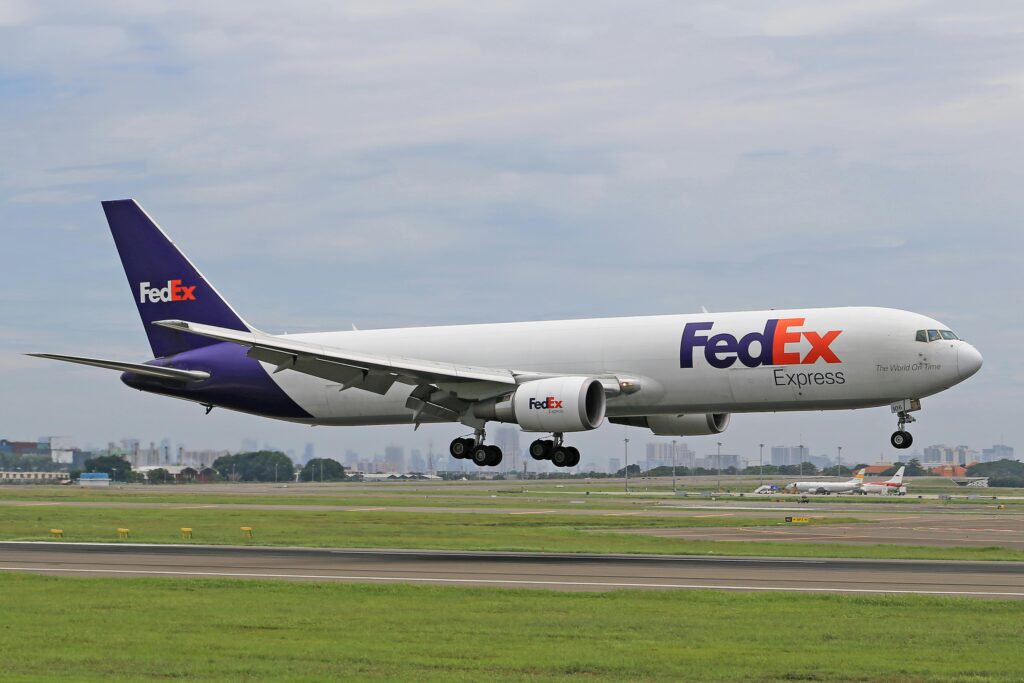
Courier freight is used for time-critical, high-value, or smaller shipments both within Norway and cross-border. It offers door-to-door delivery, full tracking, and fast transit times, making it well suited for e-commerce, spare parts, documents, and urgent goods. While courier services are typically more expensive than other transport modes, they provide speed, reliability, and simplified handling for priority shipments.
Maritime Logistics – The Backbone of Norwegian Trade

Maritime logistics plays a central role in Norway due to its long coastline, strong export industries, and reliance on international trade. Sea transport enables cost-efficient movement of large volumes, bulk cargo, containers, and project shipments both domestically along the coast and to/from global markets. Maritime logistics is especially important for industry, energy, seafood, and intermodal supply chains where sea transport is combined with road and rail.
Offshore Logistics – Supporting Energy and Marine Operations

Offshore logistics is a critical part of Norway’s energy and maritime industries, ensuring the safe and timely supply of equipment, materials, and personnel to offshore installations. It involves specialized ports, vessels, and supply bases that support drilling, production, maintenance, and decommissioning activities. Efficient offshore logistics is essential for minimizing downtime, controlling costs, and maintaining high safety and compliance standards in demanding offshore environments.
Duty of Care (Påseplikt) – A Norwegian Compliance Requirement

Norway’s duty of care places responsibility on companies to ensure that suppliers and subcontractors comply with laws and regulations. This requires active follow-up, documentation, and ongoing compliance checks. Failure to do so can lead to liability and sanctions, making supplier oversight a critical part of operating in Norway.
Scalable IT Integrations for Shipping, Logistics & Label Management

Cloud-based IT integration platform for shipping and logistics. vShip connects business systems with carriers to automate labels, freight flows, and operational processes efficiently.
Norwegian Service Provider in Transport & Logistics
The transport and logistics sector is shaped by international operators with strong market presence—particularly from Denmark and Germany—creating a clear need for structured registration and efficient market entry in Norway.

Air Freight to and from Norway – International Cargo and Express Capacity

Deep Sea Shipping Lines from Norway – Global Carriers and Export Gateways

Deep sea shipping from Norway is handled by global carriers such as Maersk, MSC, CMA CGM, COSCO, and Hapag-Lloyd. These shipping lines connect Norwegian export ports including Oslo, Bergen, Stavanger, and Kristiansand with major European hub ports such as Hamburg, Bremerhaven, Rotterdam, and Antwerp, enabling efficient global market access from Norway.
Shortsea Container Shipping to and from Norway – Routes, Ports and Operators
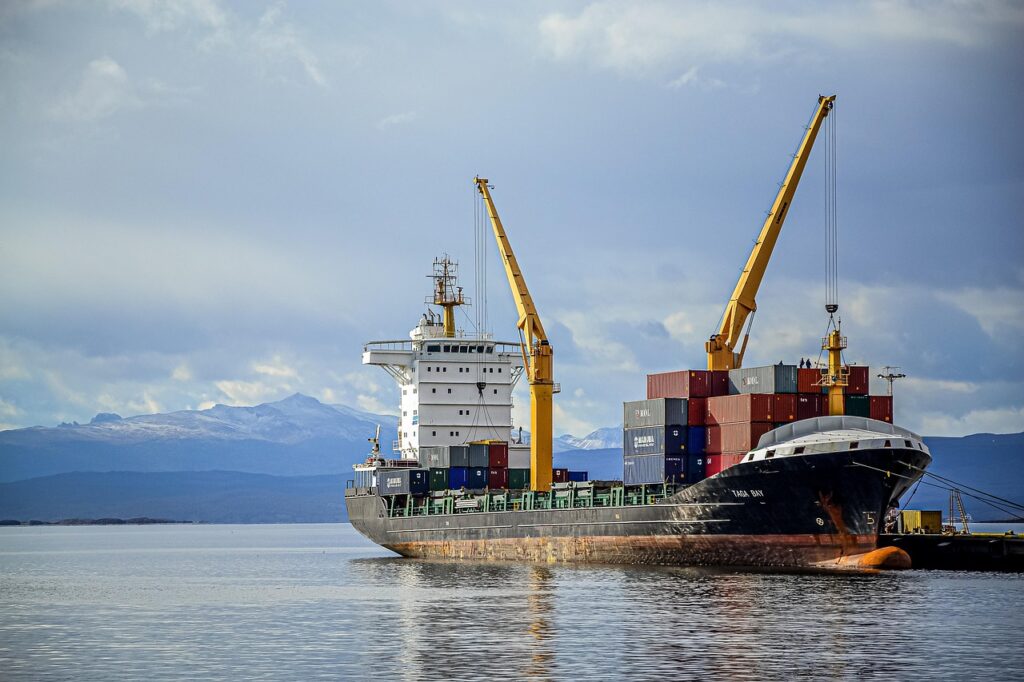
Shortsea container shipping to and from Norway is a key link between Norwegian ports and Europe. Containerised goods move from ports such as Oslo, Bergen, Stavanger, and Trondheim to major European hub ports including Rotterdam, Antwerp, Hamburg, Bremerhaven, Göteborg, and Aarhus, where cargo connects to wider European and global networks.
The market is served by specialised shortsea container operators such as Unifeeder, Samskip, and ViaSea Shipping, often integrated with global carriers like Maersk and MSC. These fixed, frequent services provide a reliable and efficient alternative to long-distance road transport while enabling scalable access to European and global markets.
Coastal Container Shipping in Norway – Domestic Routes and Operators

Container shipping along the Norwegian coast is a core part of the domestic logistics system and a reliable alternative to long-distance road transport. Regular coastal services connect key ports from southern Norway to the north, supporting sectors such as seafood, retail, and industry. These services provide predictable schedules, efficient cargo flows, and strong integration with road and rail across Norway’s long coastline.
Courier Freight to and from Norway – Express Shipping and International Operators

Courier freight to and from Norway is driven by global express operators such as DHL, UPS, and FedEx. These companies provide fast, time-sensitive parcel and document transport connecting Norway with Europe and worldwide through integrated air and road networks. Courier freight is widely used for e-commerce, spare parts, high-value goods and urgent business shipments, where speed, tracking and reliable delivery times are essential.
Last-Mile Delivery in Norway – Urban and Nationwide Distribution
Last-mile delivery in Norway covers the final step from terminal to end customer and is critical for e-commerce, express shipments, and B2B distribution. Services are designed to handle complex geography while ensuring fast, reliable delivery in both urban areas and remote regions.
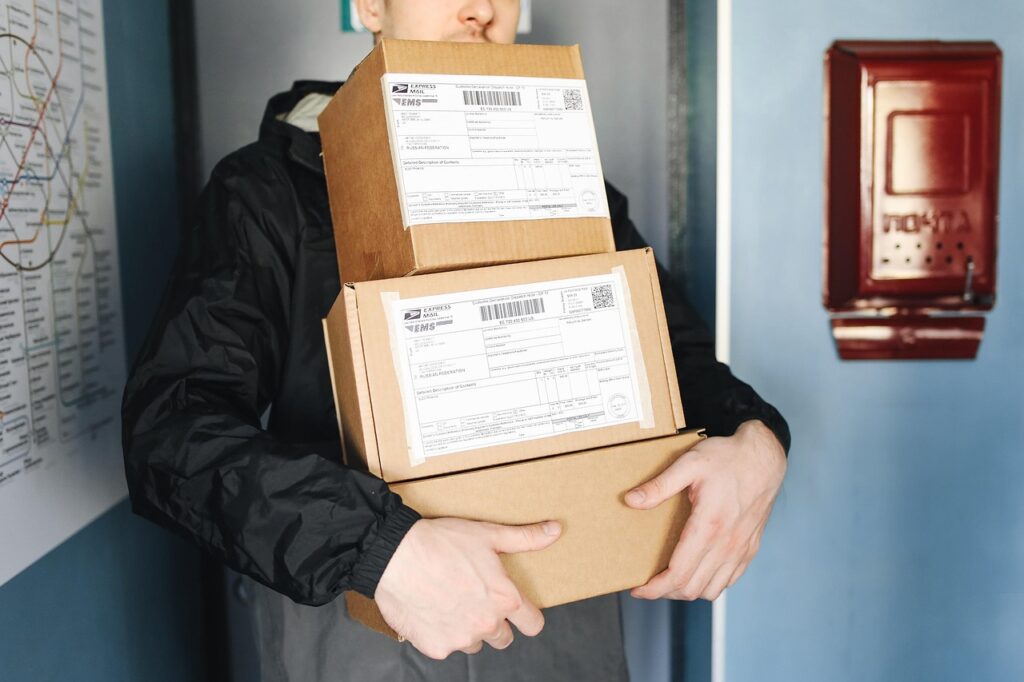
Road Freight to and from Norway – Cross-Border Transport and Export Logistics
Road freight to and from Norway enables direct trade with European markets through flexible cross-border trucking. It is widely used for time-sensitive goods, industrial cargo, and regional distribution, offering frequent departures and door-to-door access across Europe.
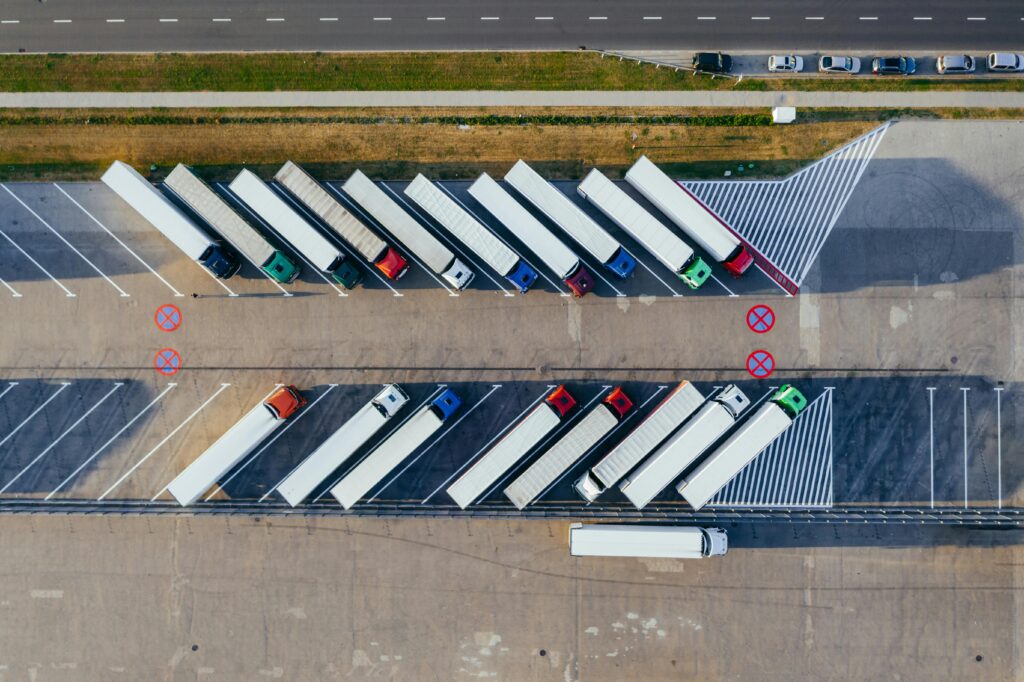
Transport Insurance – Liability Limits and Conversion Factors by Transport Mode
Transport insurance protects goods against loss, damage, or theft during transit. The carrier’s liability is usually limited by law and calculated using fixed conversion factors, most commonly expressed in SDR (Special Drawing Rights).

Key principle
Without insurance, compensation is capped by international conventions.
Carriers are subject to limited liability, regardless of the actual value of the goods.
Transport insurance covers the full cargo value, independent of carrier liability.
Road Transport (CMR Convention)
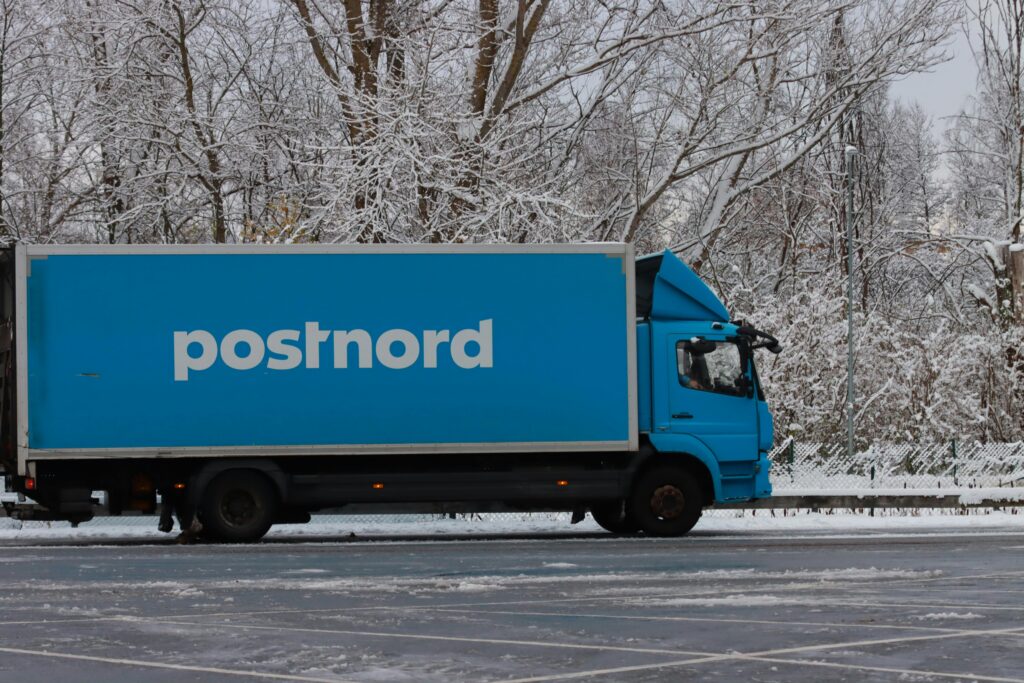
Liability limit:
8.33 SDR per kg gross weight
Practical impact:
Compensation is calculated purely on weight, not cargo value.
Risk:
High-value goods are often significantly undercompensated without insurance.
Sea Freight (Hague-Visby Rules)
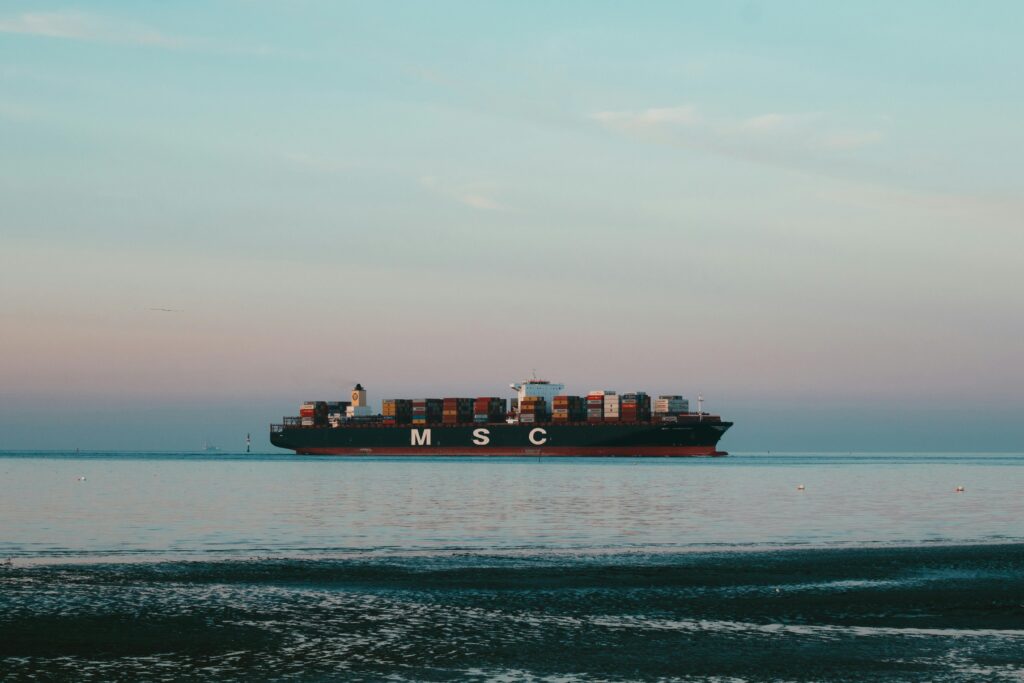
Liability limit (whichever is higher):
- 666.67 SDR per package, or
- 2 SDR per kg
Practical impact:
Containerized cargo may have very low compensation relative to value.
Special note:
General Average may apply, requiring cargo owners to contribute to shared losses—even if their cargo is undamaged.
Air Freight (Montreal Convention)
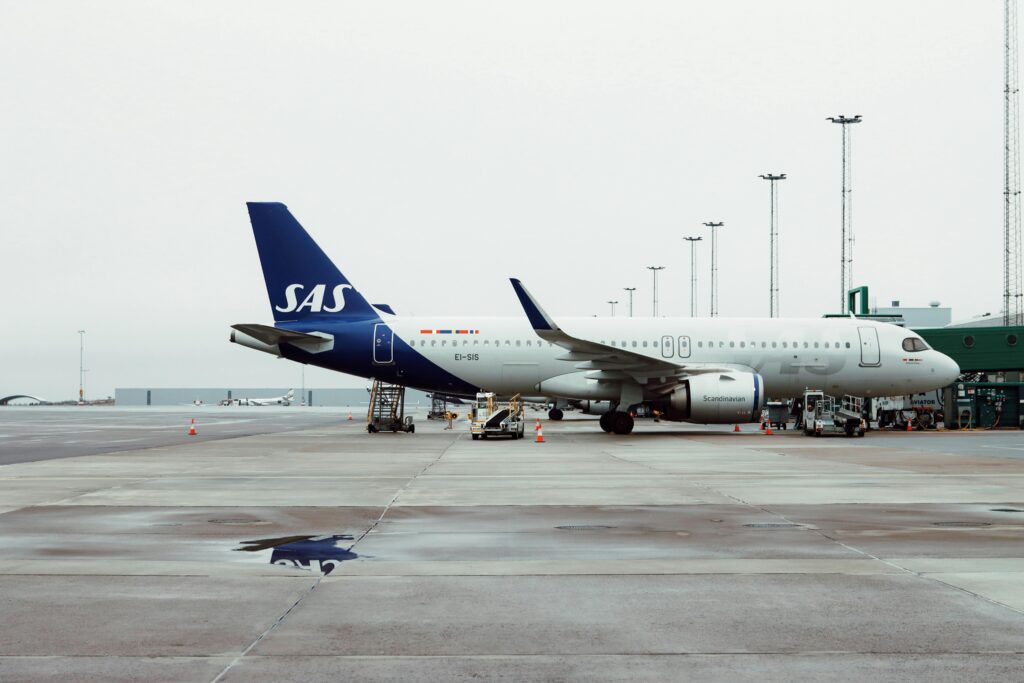
Liability limit:
22 SDR per kg
Practical impact:
Higher per-kg limit, but still insufficient for electronics, pharmaceuticals, or luxury goods.
Recommendation:
Separate cargo insurance is strongly advised.
Service Provider – End-to-End Support for Transport and Logistics to and from Norway
As a service provider, we support companies with designing and operating efficient transport and logistics setups for Norway. We assist with routing, customs, VAT handling, compliance requirements, and the choice of transport modes, ensuring a smooth and cost-effective flow into the Norwegian market. This allows businesses to reduce complexity, stay compliant, and scale operations with confidence.

Ad Hoc Freight – Flexible Support When Needed
We also assist with ad hoc freight, providing fast and flexible transport solutions for urgent or unplanned shipments to and within Norway.